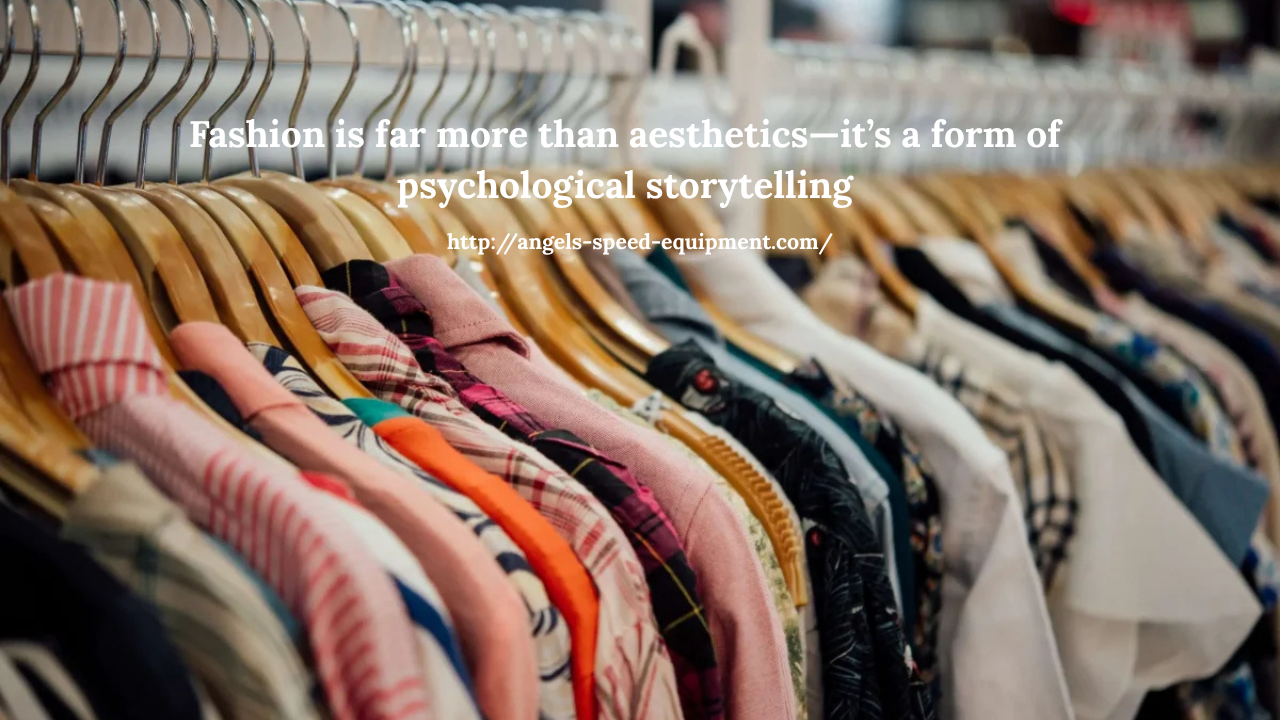
Whether we realize it or not, every outfit we put on sends a message. Fashion is more than a personal style statement—it’s a form of silent communication that can influence how others see us and how we see ourselves. The psychology of fashion reveals that our clothing choices reflect our personality, emotions, social identity, and even our level of confidence. In many ways, what we wear speaks louder than words.
Clothing as Nonverbal Communication
Clothing is one of the first things people notice about us. It instantly conveys information about our mood, profession, status, and even our values. A tailored blazer suggests professionalism and structure, while a bohemian dress may indicate creativity and free-spiritedness. Bright colors can signal optimism and energy, while dark hues may evoke seriousness or mystery.
These silent signals help people form quick judgments, often subconsciously. In job interviews, first dates, or public settings, the impression we create can be significantly influenced by what we wear—even before we open our mouths.
The Psychology Behind Fashion Choices
Our wardrobes often mirror our inner worlds. When we’re feeling confident, we may choose bolder colors or statement pieces. On insecure or low-energy days, we might retreat into neutral tones and oversized clothing. This connection between emotion and outfit choice is a powerful example of “enclothed cognition,” a psychological theory that suggests clothing doesn’t just reflect how we feel—it can actively shape how we think and behave.
For instance, wearing formal attire can increase feelings of power and competence, while casual clothes might foster relaxation and approachability. This is why dressing with intention can boost performance, especially in high-stakes environments.
Cultural and Social Identity Through Fashion
Clothing also connects us to our communities. Fashion trends often emerge from cultural groups, professions, or subcultures and become part of our identity. A business professional may feel aligned with sharp suits and leather shoes, while an artist might favor expressive patterns and eclectic accessories. In both cases, fashion becomes a badge of belonging and self-expression.
What we wear also signals how we want to be treated. A well-groomed, polished appearance often attracts more respect and attention. On the other hand, unconventional styles might challenge norms, expressing independence or rebellion.
Tips for Aligning Fashion with Identity
- Know Your Message – Ask yourself what impression you want to leave in different settings.
- Dress for How You Want to Feel – Choose clothes that boost your mood and confidence.
- Curate with Intention – Build a wardrobe that aligns with your lifestyle and values.
- Embrace Personal Style – Trends fade, but your authentic expression will always stand out.
Conclusion
Fashion is far more than aesthetics—it’s a form of psychological storytelling. Every choice, from color to cut, influences how we’re perceived and how we navigate the world. Understanding the hidden psychology of fashion empowers us to dress not just to impress, but to express who we truly are.