What Your Clothes Say About You: The Hidden Psychology of Fashion

Whether we realize it or not, every outfit we put on sends a message. Fashion is more than a personal style statement—it’s a form of silent communication that can influence how others see us and how we see ourselves. The psychology of fashion reveals that our clothing choices reflect our personality, emotions, social identity, and even our level of confidence. In many ways, what we wear speaks louder than words.

Clothing as Nonverbal Communication

Clothing is one of the first things people notice about us. It instantly conveys information about our mood, profession, status, and even our values. A tailored blazer suggests professionalism and structure, while a bohemian dress may indicate creativity and free-spiritedness. Bright colors can signal optimism and energy, while dark hues may evoke seriousness or mystery.

These silent signals help people form quick judgments, often subconsciously. In job interviews, first dates, or public settings, the impression we create can be significantly influenced by what we wear—even before we open our mouths.

The Psychology Behind Fashion Choices

Our wardrobes often mirror our inner worlds. When we’re feeling confident, we may choose bolder colors or statement pieces. On insecure or low-energy days, we might retreat into neutral tones and oversized clothing. This connection between emotion and outfit choice is a powerful example of “enclothed cognition,” a psychological theory that suggests clothing doesn’t just reflect how we feel—it can actively shape how we think and behave.

For instance, wearing formal attire can increase feelings of power and competence, while casual clothes might foster relaxation and approachability. This is why dressing with intention can boost performance, especially in high-stakes environments.

Cultural and Social Identity Through Fashion

Clothing also connects us to our communities. Fashion trends often emerge from cultural groups, professions, or subcultures and become part of our identity. A business professional may feel aligned with sharp suits and leather shoes, while an artist might favor expressive patterns and eclectic accessories. In both cases, fashion becomes a badge of belonging and self-expression.

What we wear also signals how we want to be treated. A well-groomed, polished appearance often attracts more respect and attention. On the other hand, unconventional styles might challenge norms, expressing independence or rebellion.

Tips for Aligning Fashion with Identity

  1. Know Your Message – Ask yourself what impression you want to leave in different settings.
  2. Dress for How You Want to Feel – Choose clothes that boost your mood and confidence.
  3. Curate with Intention – Build a wardrobe that aligns with your lifestyle and values.
  4. Embrace Personal Style – Trends fade, but your authentic expression will always stand out.

Conclusion

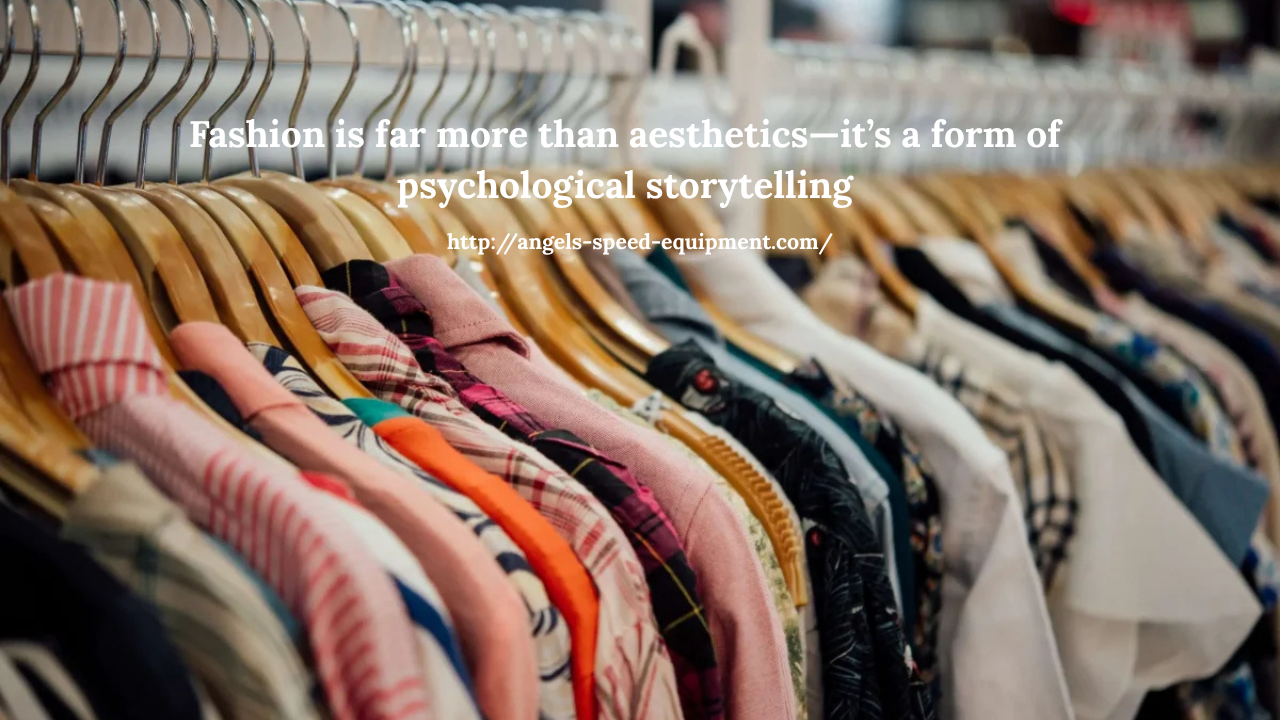
Fashion is far more than aesthetics—it’s a form of psychological storytelling. Every choice, from color to cut, influences how we’re perceived and how we navigate the world. Understanding the hidden psychology of fashion empowers us to dress not just to impress, but to express who we truly are.
Dressed for Success: How Your Outfit Shapes Others’ Opinions of You

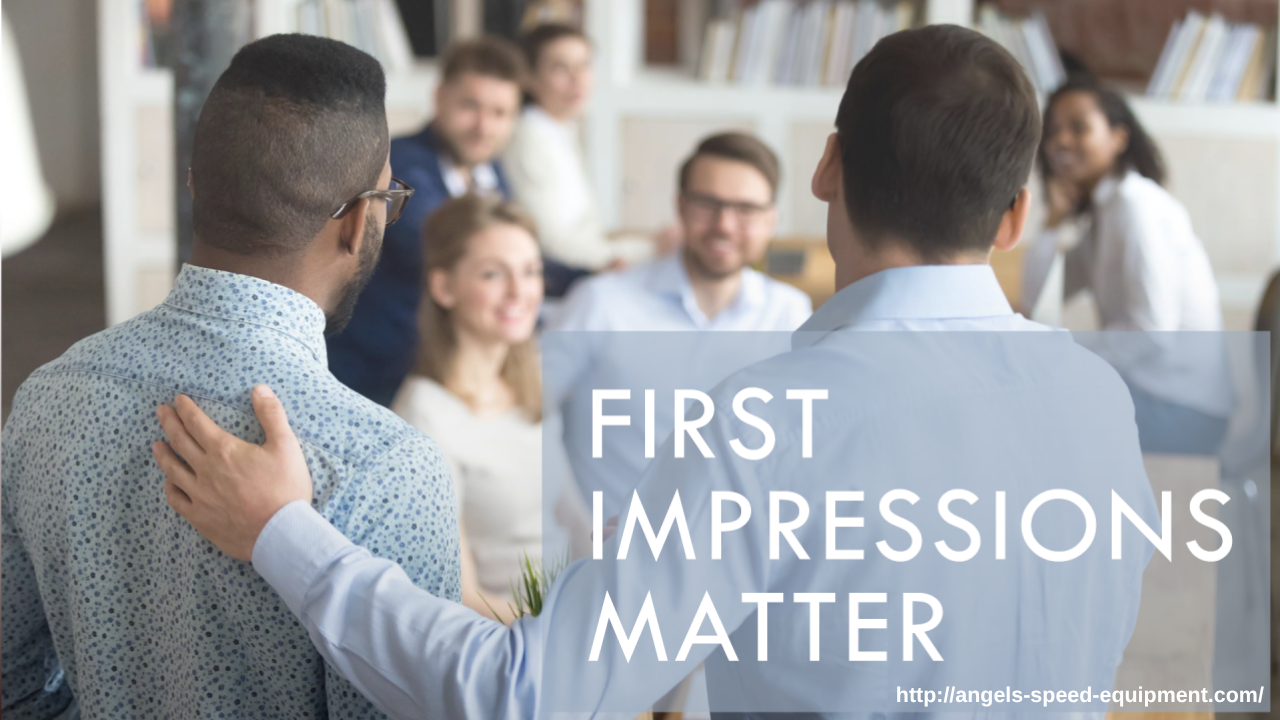
In a world where first impressions are formed within seconds, the way you dress plays a pivotal role in how others perceive you. Your outfit acts as a non-verbal communicator, signaling traits like confidence, competence, and credibility before you even speak. The phrase “dressed for success” is more than just a catchy saying—it reflects a psychological truth about human interaction and perception.

The Power of First Impressions

Psychological research confirms that people form snap judgments about others based on appearance. This phenomenon, known as “thin-slicing,” happens in just a few seconds and is largely subconscious. In this brief window, your clothes, grooming, posture, and facial expressions contribute to how people assess your social status, trustworthiness, and professionalism.

For example, studies show that individuals wearing well-tailored suits are often perceived as more successful, authoritative, and intelligent than those in casual or ill-fitting attire. Whether in the boardroom, on a date, or at a social event, what you wear can set the tone for how people respond to you.

Clothing and Social Signals

Your choice of clothing sends subtle cues about your personality, lifestyle, and values. Wearing classic, well-fitted pieces often communicates reliability and attention to detail. Bold colors and statement pieces suggest confidence and creativity, while neutral tones and minimalistic styles may convey professionalism and composure.

Additionally, dressing appropriately for the occasion shows social awareness. Attending a business meeting in professional attire signals respect and seriousness, while arriving underdressed may suggest carelessness or a lack of preparation.

Self-Perception and Performance

Interestingly, how you dress not only affects others’ opinions but also shapes how you view yourself. The concept of “enclothed cognition” describes how wearing certain types of clothing can influence cognitive processes and behavior. When you dress in attire associated with success and competence, you’re more likely to feel confident and perform better in high-pressure situations.

This psychological boost explains why many professionals adopt specific “power outfits” for important events. Dressing well can reduce self-doubt, enhance posture, and promote assertiveness, all of which contribute to a positive impression.

Practical Tips for Dressing to Influence

  1. Prioritize Fit – Well-fitted clothes always look more polished, regardless of the price tag.
  2. Choose Appropriate Colors – Blue conveys trust, red projects confidence, and black exudes sophistication.
  3. Keep it Occasion-Appropriate – Align your attire with the event’s expectations while adding a personal touch.
  4. Invest in Quality Basics – Timeless staples like blazers, crisp shirts, and clean shoes create a solid style foundation.

Conclusion

Your clothing is a powerful tool for shaping how others perceive you. By dressing intentionally, you can influence first impressions, convey confidence, and set yourself up for success in both professional and social settings. Remember, the goal is not to impress with extravagance but to present yourself in a way that reflects your best self—confident, competent, and ready to succeed.

Mastering the Dress Code: What to Wear for Every Social & Business Event

Knowing what to wear for different events is an essential part of making a positive and lasting impression. Whether you’re attending a business meeting, wedding, cocktail party, or casual gathering, mastering the dress code ensures you look appropriate, stylish, and confident. Here’s your ultimate guide to dressing right for every occasion.

1. Business Formal

Business formal is the most professional dress code, typically expected in corporate settings, high-level meetings, or interviews for executive roles.

  • Men: Dark-colored suits (navy, black, or charcoal), white or light-colored dress shirts, conservative ties, and leather dress shoes.
  • Women: Tailored suits, sheath dresses, or pencil skirts with blouses. Opt for closed-toe pumps and minimal jewelry.

Keep colors classic and accessories understated to convey professionalism and authority.

2. Business Casual

This dress code is common in modern workplaces and less formal professional settings.

  • Men: Slacks or chinos, collared shirts (polo or button-down), and loafers or dress shoes. Blazers are optional but add polish.
  • Women: Blouses, tailored pants or skirts, and modest dresses. Flats, loafers, or low heels work well.

Avoid overly casual pieces like graphic tees, distressed jeans, or flip-flops.

3. Smart Casual

Smart casual blends style and comfort, ideal for networking events, dinner parties, or daytime social gatherings.

  • Men: Well-fitted jeans or trousers, button-down shirts or polos, and stylish shoes like loafers or brogues.
  • Women: Dresses, skirts, or pants paired with fashionable tops or blouses. Statement accessories and ankle boots or flats complete the look.

This code allows for personality but still requires a polished appearance.

4. Cocktail Attire

Typically reserved for evening events, cocktail attire is elegant without being overly formal.

  • Men: Dark suits, dress shirts, and polished dress shoes. A tie is optional but adds refinement.
  • Women: Knee-length or midi dresses in luxurious fabrics. Heels and clutch bags are suitable accessories.

Avoid overly casual pieces and opt for sleek, sophisticated silhouettes.

5. Black Tie

A black-tie event demands formal elegance, often seen at galas, weddings, and upscale parties.

  • Men: Tuxedos, black bow ties, white dress shirts, and patent leather shoes.
  • Women: Floor-length gowns or formal cocktail dresses. Pair with elegant jewelry and evening heels.

Dressing to the nines is encouraged, so choose attire that showcases sophistication.

6. Casual

For informal gatherings like weekend brunches, picnics, or casual get-togethers, comfort is key—but that doesn’t mean sloppy.

  • Men: Neat jeans or chinos, plain tees or casual shirts, and clean sneakers or loafers.
  • Women: Casual dresses, jeans with stylish tops, and comfortable flats or sandals.

Aim for relaxed, coordinated outfits that still show a sense of care.

Conclusion

Understanding and respecting dress codes is a key component of social etiquette and professional success. By mastering what to wear for every occasion, you present yourself with confidence and make the right impression. The goal is to balance appropriateness with your personal style so you feel comfortable and look your best no matter where you go.