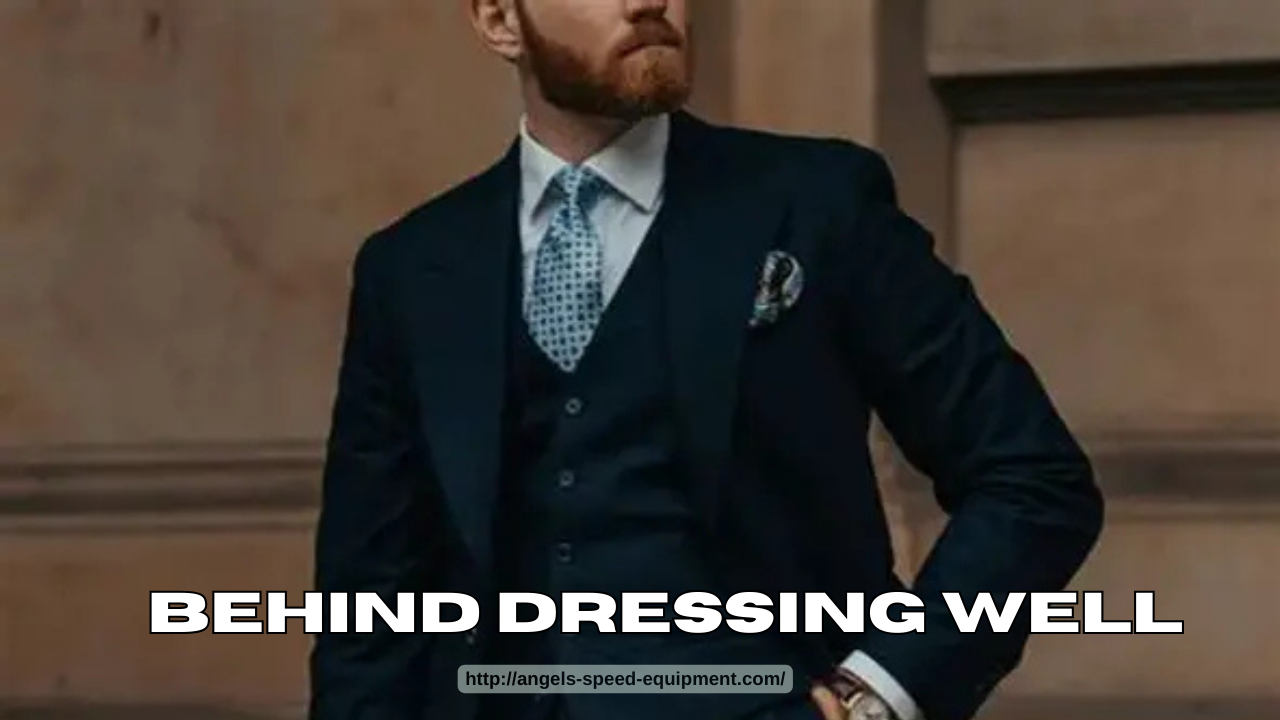
First Impressions Start in Your Closet: The Psychology Behind Dressing Well

The clothes we choose each day send a powerful message before we ever say a word. Research shows that first impressions are formed in just a few seconds, and attire often shapes those perceptions. For individuals working through addiction recovery or strengthening mental health, the way we present ourselves is more than surface-level. It becomes a reflection of renewed confidence, respect for self, and readiness to connect with others. At Angel’s Speed Equipment, we know that small changes, like dressing with intention, can support the bigger journey of healing.

Why Clothing Influences Perception

The psychology of clothing, sometimes referred to as enclothed cognition, demonstrates that what we wear impacts both how we are perceived and how we feel about ourselves. When you put on clean, well-fitting clothing, it communicates care and effort. This affects how others view your reliability, confidence, and even trustworthiness.

For someone rebuilding their life after addiction, these impressions matter. Employers, family, and peers notice the outward signs of change, and clothing can be one of the most visible.

How Dressing Well Affects Self-Confidence

It is not only about how others see you. The right clothing affects posture, energy, and body language. Wearing clothes that fit well and reflect your personality encourages a sense of control and pride. This often translates into stronger participation in therapy, better communication in relationships, and a more optimistic outlook on recovery.

The Role of Clothing in Recovery and Relationships

Building Trust with Others

Trust is one of the most important parts of healing relationships. Consistently presenting yourself in a neat and intentional way signals commitment to growth. It shows loved ones that you are serious about your recovery and capable of caring for yourself and your responsibilities.

Improving Professional Opportunities

In the workplace, appearance plays a role in career advancement. Employers and colleagues often interpret professional attire as a sign of responsibility and dedication. For individuals transitioning back into the workforce after addiction treatment, dressing well can help open doors to new opportunities.

Supporting Mental Health

Clothing choices can also influence mood. Calming colors like blue or green encourage a sense of peace, while brighter shades like yellow or red can help boost energy and motivation. Simple choices in wardrobe can become tools for managing emotions and building confidence day by day.

Practical Tips for Dressing with Intention

  • Start with basics: Clean, well-fitted clothes in neutral tones provide a foundation for any setting.
  • Prioritize comfort: Choose clothing that allows you to feel at ease without sacrificing neatness.
  • Use color purposefully: Pick colors that support the mood or impression you want to create.
  • Keep consistency: Showing up every day with care in your appearance reinforces your commitment to growth.
  • Reflect your personality: Dressing well is not about hiding who you are but expressing it authentically.

Dressing Well as Part of Holistic Healing

At Angel’s Speed Equipment, we believe recovery is about addressing the whole person—mind, body, and spirit. While clothing is just one piece of the puzzle, it is a meaningful one. It can be a daily step toward self-respect and resilience, complementing therapy, faith-based guidance, and personalized care.

Taking the First Step

First impressions often begin in your closet, but their impact reaches much further. Dressing well can enhance confidence, strengthen relationships, and create new opportunities in both personal and professional life. For those in addiction recovery, it is a simple yet powerful way to support lasting change. If you or a loved one is ready to rebuild confidence and embrace healing, Angel’s Speed Equipment is here to help. Contact us today to learn more about our compassionate, holistic approach to recovery.


Mind Over Material: How Your Clothes Affect Your Behavior and Body Language

The clothes we wear influence far more than how we look. They affect how we feel, how we move, and how we present ourselves to the world. For individuals on a journey of addiction recovery or mental health healing, understanding this connection can be a powerful tool. At Angel’s Speed Equipment, we focus on holistic, faith-based, and individualized care that nurtures both the mind and the body. Integrating mindful clothing choices into daily routines can support confidence, resilience, and effective communication during the recovery process.

The Psychology Behind Clothing and Behavior

Psychologists describe the phenomenon of enclothed cognition, which explains that the attire we wear impacts our mental state and actions. Wearing clothing that feels intentional, clean, and comfortable can boost self-assurance, enhance posture, and increase focus. For clients in inpatient or outpatient programs, these subtle influences can translate into more productive therapy sessions, positive social interactions, and stronger personal accountability.

How Clothing Shapes Body Language

The way clothing fits and feels can directly influence posture and movement. Well-fitted, supportive clothing encourages upright posture and open gestures, signaling confidence to others. Conversely, restrictive or ill-fitting clothing may cause slouching or closed-off body language, which can affect both self-perception and the reactions of those around us. Simple choices, such as wearing tailored pants or a comfortable top, can enhance presence and nonverbal communication.

Color and Mood

Colors have a measurable effect on emotional states and social perception. Calm tones like blue and green can promote relaxation and clarity, while energetic colors like red or orange may increase motivation and assertiveness. Thoughtful color choices in clothing allow individuals to align their outer appearance with inner emotional needs, reinforcing positive behavior patterns and confidence during recovery.

Practical Clothing Strategies for Recovery

Dress for the Person You Want to Be

Start the day by choosing clothing that reflects the qualities you wish to embody. Whether it is confidence, calmness, or approachability, your wardrobe can act as a daily reminder of your goals and intentions.

Focus on Fit and Comfort

Clothes that fit well and feel comfortable reduce distraction and stress. This is particularly important for individuals managing triggers or anxiety in recovery. Comfortable clothing supports free movement, allowing you to engage fully in therapy or group activities.

Use Clothing as a Confidence Tool

Small details such as a clean shirt, polished shoes, or meaningful accessory can positively affect self-esteem. These small but deliberate choices reinforce a sense of control and personal pride, which are essential components of successful recovery.

Beyond Clothing: Integrating Holistic Healing

At Angel’s Speed Equipment, we understand that recovery is multifaceted. While clothing can influence behavior and body language, holistic treatment, faith-based guidance, and individualized care provide the foundation for lasting transformation. Mindful wardrobe choices complement these interventions, helping clients project confidence, maintain focus, and strengthen social interactions during their recovery journey.

Taking the Next Step

Clothing is more than fabric. It is a tool that influences behavior, posture, and social perception. For individuals in addiction recovery or mental health treatment, thoughtful attire can enhance self-esteem, reinforce positive behavior, and support holistic healing. At Angel’s Speed Equipment, we are committed to helping clients rebuild confidence, strengthen mental health, and cultivate resilience. Reach out today to learn how our compassionate, personalized programs can guide you toward a healthier, more empowered life.

Wardrobe Influence: How Style Choices Impact Personal and Professional Relationships

The way we dress is not just about fashion. It is a reflection of how we see ourselves and how others perceive us. For individuals on a journey of addiction recovery or those working to strengthen their mental health, style choices can play a surprisingly powerful role. Clothing influences not only personal confidence but also the quality of relationships, both personal and professional. At Angel’s Speed Equipment, where we focus on holistic, faith-based, and individualized care, we recognize that healing often involves the small, daily decisions that build self-esteem and connection. Dressing with intention is one of those decisions.

How Style Shapes Perception and Relationships

When someone dresses thoughtfully, it signals self-respect and intentionality. Others tend to respond in kind, offering respect and trust in return. In professional settings, appropriate attire can foster credibility and create opportunities for growth. In personal settings, it can strengthen connections by showing that you value the people and the moments you share with them.

For those in addiction recovery, this is especially important. Rebuilding relationships often requires consistent, visible actions that show change and commitment. The way you present yourself can reinforce these efforts.

The Psychology Behind Clothing and Confidence

Clothing affects more than appearances. Psychologists describe this as enclothed cognition, where attire influences mood, focus, and behavior. Wearing clothes that fit well and reflect your goals can boost confidence, which in turn shapes how you interact with others.

For example, showing up to a support group or therapy session in clean, comfortable, and intentional clothing communicates readiness to heal. In professional life, a polished look can inspire trust from colleagues and open doors to new opportunities.

Colors and Emotional Impact

Colors also affect relationships. Calming shades like blues and greens can communicate stability and trust. Bright colors such as yellow or red can signal energy, motivation, and passion. Choosing colors wisely can help set the tone for conversations and interactions, whether you are attending an interview, a family gathering, or a group session.

Fit and Practicality

Comfort and fit are equally important. Wearing clothes that make you feel at ease helps reduce stress and distraction, allowing you to stay present in relationships. Ill-fitting or uncomfortable clothing can unintentionally create barriers to connection.

Practical Steps to Dress with Intention

Align Attire with Goals

Think about what you want to accomplish in a given setting. Do you want to rebuild trust with family, show professionalism at work, or express confidence in recovery? Choose outfits that align with those intentions.

Keep It Consistent

Consistency in personal presentation reinforces reliability. Over time, people notice the effort you put into how you carry yourself, and it becomes a part of how they perceive your growth.

Express Your True Self

Fashion is not about hiding behind clothing. It is about expressing your individuality with authenticity. Allow your style to reflect your personality while also showing respect for the people you interact with.

Beyond Wardrobe: Holistic Healing Matters

At Angel’s Speed Equipment, we know that recovery is not about clothing alone. It is about addressing the whole person—mind, body, and spirit. Our inpatient and outpatient care programs, combined with faith-based and holistic approaches, provide the tools clients need to rebuild confidence, heal relationships, and step into a healthier life. Dressing with intention is simply one more way to strengthen self-image and support the recovery process.

Taking the Next Step Forward

Your wardrobe choices have the power to influence how you feel and how others respond to you. When used intentionally, clothing can help restore confidence, build trust, and improve relationships. At Angel’s Speed Equipment, we are here to walk with you through every part of the recovery journey. If you or a loved one is ready to take the next step toward healing, reach out today. With compassionate care and holistic support, lasting transformation is possible.