Mind Over Material: How Your Clothes Affect Your Behavior and Body Language

The clothes we wear influence far more than how we look. They affect how we feel, how we move, and how we present ourselves to the world. For individuals on a journey of addiction recovery or mental health healing, understanding this connection can be a powerful tool. At Angel’s Speed Equipment, we focus on holistic, faith-based, and individualized care that nurtures both the mind and the body. Integrating mindful clothing choices into daily routines can support confidence, resilience, and effective communication during the recovery process.

The Psychology Behind Clothing and Behavior

Psychologists describe the phenomenon of enclothed cognition, which explains that the attire we wear impacts our mental state and actions. Wearing clothing that feels intentional, clean, and comfortable can boost self-assurance, enhance posture, and increase focus. For clients in inpatient or outpatient programs, these subtle influences can translate into more productive therapy sessions, positive social interactions, and stronger personal accountability.

How Clothing Shapes Body Language

The way clothing fits and feels can directly influence posture and movement. Well-fitted, supportive clothing encourages upright posture and open gestures, signaling confidence to others. Conversely, restrictive or ill-fitting clothing may cause slouching or closed-off body language, which can affect both self-perception and the reactions of those around us. Simple choices, such as wearing tailored pants or a comfortable top, can enhance presence and nonverbal communication.

Color and Mood

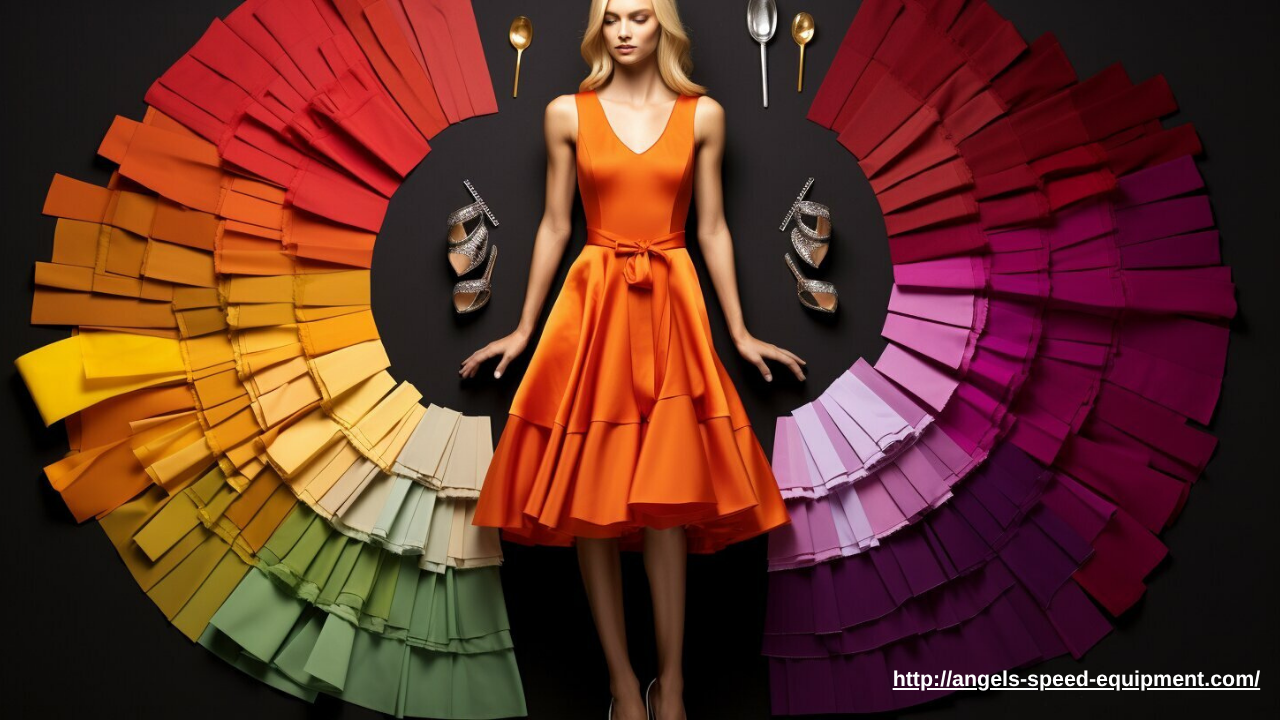
Colors have a measurable effect on emotional states and social perception. Calm tones like blue and green can promote relaxation and clarity, while energetic colors like red or orange may increase motivation and assertiveness. Thoughtful color choices in clothing allow individuals to align their outer appearance with inner emotional needs, reinforcing positive behavior patterns and confidence during recovery.

Practical Clothing Strategies for Recovery

Dress for the Person You Want to Be

Start the day by choosing clothing that reflects the qualities you wish to embody. Whether it is confidence, calmness, or approachability, your wardrobe can act as a daily reminder of your goals and intentions.

Focus on Fit and Comfort

Clothes that fit well and feel comfortable reduce distraction and stress. This is particularly important for individuals managing triggers or anxiety in recovery. Comfortable clothing supports free movement, allowing you to engage fully in therapy or group activities.

Use Clothing as a Confidence Tool

Small details such as a clean shirt, polished shoes, or meaningful accessory can positively affect self-esteem. These small but deliberate choices reinforce a sense of control and personal pride, which are essential components of successful recovery.

Beyond Clothing: Integrating Holistic Healing

At Angel’s Speed Equipment, we understand that recovery is multifaceted. While clothing can influence behavior and body language, holistic treatment, faith-based guidance, and individualized care provide the foundation for lasting transformation. Mindful wardrobe choices complement these interventions, helping clients project confidence, maintain focus, and strengthen social interactions during their recovery journey.

Taking the Next Step

Clothing is more than fabric. It is a tool that influences behavior, posture, and social perception. For individuals in addiction recovery or mental health treatment, thoughtful attire can enhance self-esteem, reinforce positive behavior, and support holistic healing. At Angel’s Speed Equipment, we are committed to helping clients rebuild confidence, strengthen mental health, and cultivate resilience. Reach out today to learn how our compassionate, personalized programs can guide you toward a healthier, more empowered life.
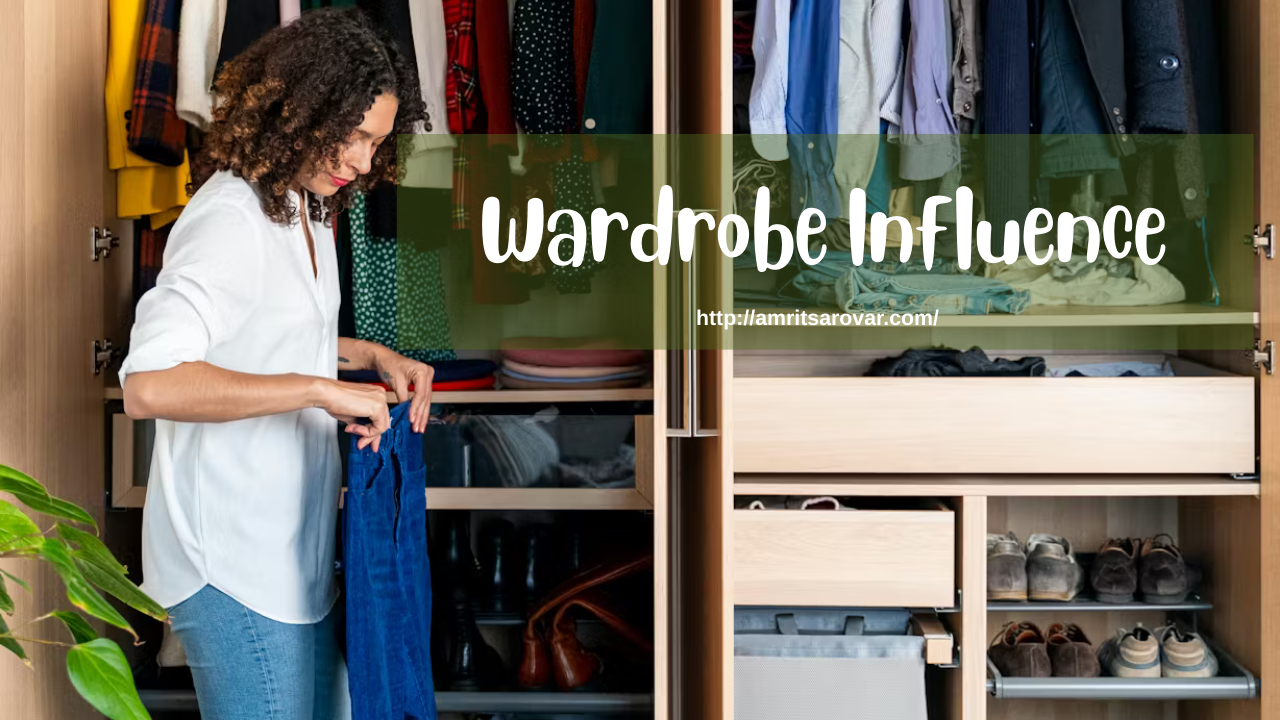
Wardrobe Influence: How Style Choices Impact Personal and Professional Relationships

The way we dress is not just about fashion. It is a reflection of how we see ourselves and how others perceive us. For individuals on a journey of addiction recovery or those working to strengthen their mental health, style choices can play a surprisingly powerful role. Clothing influences not only personal confidence but also the quality of relationships, both personal and professional. At Angel’s Speed Equipment, where we focus on holistic, faith-based, and individualized care, we recognize that healing often involves the small, daily decisions that build self-esteem and connection. Dressing with intention is one of those decisions.

How Style Shapes Perception and Relationships

When someone dresses thoughtfully, it signals self-respect and intentionality. Others tend to respond in kind, offering respect and trust in return. In professional settings, appropriate attire can foster credibility and create opportunities for growth. In personal settings, it can strengthen connections by showing that you value the people and the moments you share with them.

For those in addiction recovery, this is especially important. Rebuilding relationships often requires consistent, visible actions that show change and commitment. The way you present yourself can reinforce these efforts.

The Psychology Behind Clothing and Confidence

Clothing affects more than appearances. Psychologists describe this as enclothed cognition, where attire influences mood, focus, and behavior. Wearing clothes that fit well and reflect your goals can boost confidence, which in turn shapes how you interact with others.

For example, showing up to a support group or therapy session in clean, comfortable, and intentional clothing communicates readiness to heal. In professional life, a polished look can inspire trust from colleagues and open doors to new opportunities.

Colors and Emotional Impact

Colors also affect relationships. Calming shades like blues and greens can communicate stability and trust. Bright colors such as yellow or red can signal energy, motivation, and passion. Choosing colors wisely can help set the tone for conversations and interactions, whether you are attending an interview, a family gathering, or a group session.

Fit and Practicality

Comfort and fit are equally important. Wearing clothes that make you feel at ease helps reduce stress and distraction, allowing you to stay present in relationships. Ill-fitting or uncomfortable clothing can unintentionally create barriers to connection.

Practical Steps to Dress with Intention

Align Attire with Goals

Think about what you want to accomplish in a given setting. Do you want to rebuild trust with family, show professionalism at work, or express confidence in recovery? Choose outfits that align with those intentions.

Keep It Consistent

Consistency in personal presentation reinforces reliability. Over time, people notice the effort you put into how you carry yourself, and it becomes a part of how they perceive your growth.

Express Your True Self

Fashion is not about hiding behind clothing. It is about expressing your individuality with authenticity. Allow your style to reflect your personality while also showing respect for the people you interact with.

Beyond Wardrobe: Holistic Healing Matters

At Angel’s Speed Equipment, we know that recovery is not about clothing alone. It is about addressing the whole person—mind, body, and spirit. Our inpatient and outpatient care programs, combined with faith-based and holistic approaches, provide the tools clients need to rebuild confidence, heal relationships, and step into a healthier life. Dressing with intention is simply one more way to strengthen self-image and support the recovery process.

Taking the Next Step Forward

Your wardrobe choices have the power to influence how you feel and how others respond to you. When used intentionally, clothing can help restore confidence, build trust, and improve relationships. At Angel’s Speed Equipment, we are here to walk with you through every part of the recovery journey. If you or a loved one is ready to take the next step toward healing, reach out today. With compassionate care and holistic support, lasting transformation is possible.

Enclothed Cognition Explained: Why Dressing to Impress Really Works

Dressing well is more than a matter of style. Research in psychology reveals that the clothes we wear can influence how we feel, think, and perform—a concept known as enclothed cognition. For individuals navigating addiction recovery or mental health challenges, these insights are especially valuable. At Angel’s Speed Equipment, we understand that healing is holistic. Our inpatient and outpatient programs, faith-based approaches, and individualized care plans all emphasize nurturing both mind and body. Dressing intentionally can become a simple but powerful tool in that journey.

What is Enclothed Cognition?

Enclothed cognition is a psychological phenomenon where clothing impacts mental processes. Simply put, what you wear affects your self-perception and behavior. Studies show that people wearing professional or thoughtfully chosen attire report higher levels of confidence, focus, and competence. For someone in recovery, this effect can translate to feeling more capable of managing triggers, participating in therapy, and engaging socially.

How Clothing Influences Mood and Performance

The connection between clothing and emotional state is subtle but meaningful. When you dress with care, it communicates self-respect and intentionality. This is particularly important for individuals in addiction recovery or mental health treatment. Choosing clean, well-fitted clothing each day can foster a sense of structure, predictability, and control—all of which are essential in overcoming challenges.

Colors and Confidence

Colors play a major role in shaping perception and emotion. Calming tones like blues and greens can promote relaxation and focus, while vibrant colors such as red and orange may increase energy and motivation. Selecting colors intentionally allows clients to align outward appearance with emotional needs and therapeutic goals.

Fit and Comfort

Clothing that fits well enhances comfort and ease of movement. Ill-fitting garments can create distraction and discomfort, potentially impacting focus and mood. At Angel’s Speed Equipment, we encourage clients to consider fit and fabric as part of a broader self-care routine that supports mental and emotional wellbeing.

Practical Ways to Apply Enclothed Cognition in Recovery

Plan Your Outfits

Setting aside time to choose clothing for the day can reduce decision fatigue and increase confidence. This small act creates a sense of preparedness and routine, which supports recovery goals.

Express Yourself Mindfully

Personal style can be a form of self-expression that reflects progress, identity, and individuality. Incorporating elements that feel meaningful can reinforce positive self-image and emotional resilience.

Align Attire with Activities

Dressing appropriately for therapy sessions, support groups, or social outings demonstrates respect for yourself and others. It also provides a subtle psychological cue that the day is structured and purposeful.

Beyond Clothing: Holistic Healing

At Angel’s Speed Equipment, we believe that recovery is more than clinical treatment. Holistic approaches, faith-based guidance, and individualized care empower clients to rebuild confidence, strengthen mental health, and embrace personal growth. Dressing intentionally is one practical, everyday method to reinforce these principles, contributing to both self-esteem and social perception.

Take the First Step Today

Enclothed cognition shows that dressing to impress is not superficial—it is a tool for mental clarity, confidence, and empowerment. If you or a loved one are seeking compassionate addiction recovery or mental health support, Angel’s Speed Equipment is here to help. Our holistic, individualized, and faith-inspired programs are designed to guide every client toward sustainable healing. Contact us today and discover how mindful choices, both in clothing and care, can support your journey to a healthier, more confident life.

From Fabric to First Impressions: The Power of Clothing in Social Perception

The way we present ourselves through clothing is about much more than fabric. It influences how others perceive us and how we feel about ourselves. For individuals walking the path of recovery, whether from addiction or mental health challenges, clothing can become a tool for healing, confidence, and transformation. At Angel’s Speed Equipment, we believe recovery involves the whole person. From inpatient and outpatient programs to holistic and faith-based care, every detail matters, including how we express ourselves outwardly. Clothing is one of those details that can shift mindset, strengthen resilience, and support a positive sense of self.

Why First Impressions Matter in Recovery

First impressions are often shaped within moments, long before a word is spoken. Clothing plays a major role in that process. For those in recovery, presenting yourself with care can communicate self-respect and determination. It signals to others—and to yourself—that you are invested in growth. While clothes cannot define your worth, they can help you feel grounded, prepared, and confident in new environments such as therapy sessions, support groups, or professional opportunities after treatment.

The Psychology of Clothing Choices

Clothing affects emotions and behavior in powerful ways. Studies show that what we wear can influence confidence levels, energy, and even how others interact with us. For someone in recovery, a well-chosen outfit can provide a sense of control during times of uncertainty. Wearing clothing that feels comfortable and represents your authentic self also reinforces dignity and self-acceptance, both of which are vital for long-term healing.

Color and Mood

Colors influence how we are perceived. Blue is often associated with calmness and trust. Red can symbolize confidence and energy. Neutral tones communicate professionalism and stability. Choosing colors intentionally can subtly support the mindset you want to carry into a meeting, job interview, or group therapy session.

Fit and Comfort

Clothes that fit well and feel comfortable reduce stress and allow you to focus on what truly matters. Ill-fitting or distracting clothing can create unnecessary discomfort. Selecting outfits that help you feel secure and at ease supports emotional balance.

Practical Tips for Using Clothing as a Confidence Tool

Dress for the Day You Want

Each morning is an opportunity to reinforce your goals. Dressing in a way that makes you feel strong and capable is a small act of self-care that sets the tone for the day.

Keep It Simple but Meaningful

You do not need expensive or elaborate clothing to make a strong impression. Clean, well-kept outfits paired with one thoughtful accessory can be just as powerful. The goal is intentionality, not extravagance.

Create a Personal Routine

Planning outfits in advance can reduce daily stress and support structure. This routine becomes part of your recovery toolkit, helping you feel prepared and in control.

Beyond the Fabric: Healing Inside and Out

At Angel’s Speed Equipment, we understand recovery is not just about overcoming addiction or improving mental health. It is about rebuilding identity, confidence, and purpose. Clothing is just one of many tools that can support this journey. Combined with holistic, faith-based, and individualized care, even small choices like what you wear can help strengthen your path toward wholeness.

Taking the Next Step

Clothing has the power to influence both social perception and personal confidence. For individuals in recovery, it can serve as a daily reminder of progress and self-worth. At Angel’s Speed Equipment, we walk with you every step of the way, helping you heal inside and out through compassionate and personalized treatment. If you or a loved one is ready to begin a journey of renewal, we invite you to reach out today. Recovery is possible, and every choice—including what you wear—can move you closer to a brighter future.

The Confidence Connection: How Dressing Well Changes How You Feel and Perform

Building confidence during the recovery journey is about more than therapy and support—it is also about how you present yourself. The outfit you choose each day can reinforce your sense of worth, support mental wellbeing, and help you face life’s challenges with renewed strength. At Angel’s Speed Equipment, we understand that addiction recovery and mental health treatment are deeply personal experiences rooted in compassion, professionalism, and individual care. Dressing well is one small yet powerful way to nurture your healing.

How Dressing Well Supports Your Recovery Journey

Every morning, choosing a clean, comfortable outfit sends a message to yourself—that you matter, you are moving forward, and you deserve care. Inpatient and outpatient settings at Angel’s Speed Equipment benefit from this simple ritual. Whether preparing for therapy, group support, or daily activities, the act of dressing with intention can—quietly but profoundly—boost mood and create a mindset of readiness.

This aligns with the holistic and individualized approach we practice. We recognize that small, mindful habits support recovery just as much as therapy and faith-based or clinical interventions. Dressing well is one such habit—simple to do yet rich in impact.

Clothing as a Tool for Emotional Resilience

When you’re building mental health strength, clothing can offer more than aesthetic value—it can be a form of nonverbal self-encouragement. Wearing attire that fits well, feels good, and aligns with your personal identity can reinforce feelings of competence and confidence. This simple act can subtly enhance your sense of self.

At Angel’s Speed Equipment, our faith-based care extends these principles—gratitude, self-respect, and purpose. Dressing with care reflects these values, reminding you of your dignity and resilience.

Practical Clothing Tips for Lasting Confidence

Choose Comfort and Fit

Seek clothes that feel comfortable and reflect who you are. Clean and well-fitted doesn’t mean expensive—it means thoughtful.

Incorporate Purposeful Colors

Soft blues or earthy tones bring calm and stability. Brighter accents—like a scarf or tie—can uplift mood without overwhelming your sense of self.

Reflect Your Journey

If you feel uplifted by a particular item—a handcrafted accessory or comforting sweater—let it be part of your routine. These choices reflect who you are beyond the recovery label.

Prepare With Intention

Laying out your clothes the night before can simplify mornings and reduce stress. This small act supports structure and self-care—essential elements of holistic healing.

The Bigger Impact: Healing Every Day

Recovery is about reclaiming your life piece by piece. Dressing well daily is a tangible way to reinforce that progress. This small ritual can strengthen your confidence, reduce anxiety, and signal to yourself and others that you are on a powerful path forward.

At Angel’s Speed Equipment, every service—from inpatient and outpatient addiction recovery to mental health treatment—honors you as a whole person. We offer individualized and faith-based care that nurtures body, mind, and spirit. Dressing well is another way to feed resilience and affirm that your journey matters.


Take the Next Step

If you or a loved one are seeking compassionate, client-centered addiction recovery or mental health treatment, Angel’s Speed Equipment is here for you. Our holistic, faith-inspired, and professionally guided programs are tailored to your needs. Reach out today and discover how small daily practices—like dressing with intention—can become powerful tools on your path to healing.

What Your Clothes Say About You: The Hidden Psychology of Fashion

Whether we realize it or not, every outfit we put on sends a message. Fashion is more than a personal style statement—it’s a form of silent communication that can influence how others see us and how we see ourselves. The psychology of fashion reveals that our clothing choices reflect our personality, emotions, social identity, and even our level of confidence. In many ways, what we wear speaks louder than words.

Clothing as Nonverbal Communication

Clothing is one of the first things people notice about us. It instantly conveys information about our mood, profession, status, and even our values. A tailored blazer suggests professionalism and structure, while a bohemian dress may indicate creativity and free-spiritedness. Bright colors can signal optimism and energy, while dark hues may evoke seriousness or mystery.

These silent signals help people form quick judgments, often subconsciously. In job interviews, first dates, or public settings, the impression we create can be significantly influenced by what we wear—even before we open our mouths.

The Psychology Behind Fashion Choices

Our wardrobes often mirror our inner worlds. When we’re feeling confident, we may choose bolder colors or statement pieces. On insecure or low-energy days, we might retreat into neutral tones and oversized clothing. This connection between emotion and outfit choice is a powerful example of “enclothed cognition,” a psychological theory that suggests clothing doesn’t just reflect how we feel—it can actively shape how we think and behave.

For instance, wearing formal attire can increase feelings of power and competence, while casual clothes might foster relaxation and approachability. This is why dressing with intention can boost performance, especially in high-stakes environments.

Cultural and Social Identity Through Fashion

Clothing also connects us to our communities. Fashion trends often emerge from cultural groups, professions, or subcultures and become part of our identity. A business professional may feel aligned with sharp suits and leather shoes, while an artist might favor expressive patterns and eclectic accessories. In both cases, fashion becomes a badge of belonging and self-expression.

What we wear also signals how we want to be treated. A well-groomed, polished appearance often attracts more respect and attention. On the other hand, unconventional styles might challenge norms, expressing independence or rebellion.

Tips for Aligning Fashion with Identity

  1. Know Your Message – Ask yourself what impression you want to leave in different settings.
  2. Dress for How You Want to Feel – Choose clothes that boost your mood and confidence.
  3. Curate with Intention – Build a wardrobe that aligns with your lifestyle and values.
  4. Embrace Personal Style – Trends fade, but your authentic expression will always stand out.

Conclusion

Fashion is far more than aesthetics—it’s a form of psychological storytelling. Every choice, from color to cut, influences how we’re perceived and how we navigate the world. Understanding the hidden psychology of fashion empowers us to dress not just to impress, but to express who we truly are.

Dressed for Success: How Your Outfit Shapes Others’ Opinions of You

In a world where first impressions are formed within seconds, the way you dress plays a pivotal role in how others perceive you. Your outfit acts as a non-verbal communicator, signaling traits like confidence, competence, and credibility before you even speak. The phrase “dressed for success” is more than just a catchy saying—it reflects a psychological truth about human interaction and perception.

The Power of First Impressions

Psychological research confirms that people form snap judgments about others based on appearance. This phenomenon, known as “thin-slicing,” happens in just a few seconds and is largely subconscious. In this brief window, your clothes, grooming, posture, and facial expressions contribute to how people assess your social status, trustworthiness, and professionalism.

For example, studies show that individuals wearing well-tailored suits are often perceived as more successful, authoritative, and intelligent than those in casual or ill-fitting attire. Whether in the boardroom, on a date, or at a social event, what you wear can set the tone for how people respond to you.

Clothing and Social Signals

Your choice of clothing sends subtle cues about your personality, lifestyle, and values. Wearing classic, well-fitted pieces often communicates reliability and attention to detail. Bold colors and statement pieces suggest confidence and creativity, while neutral tones and minimalistic styles may convey professionalism and composure.

Additionally, dressing appropriately for the occasion shows social awareness. Attending a business meeting in professional attire signals respect and seriousness, while arriving underdressed may suggest carelessness or a lack of preparation.

Self-Perception and Performance

Interestingly, how you dress not only affects others’ opinions but also shapes how you view yourself. The concept of “enclothed cognition” describes how wearing certain types of clothing can influence cognitive processes and behavior. When you dress in attire associated with success and competence, you’re more likely to feel confident and perform better in high-pressure situations.

This psychological boost explains why many professionals adopt specific “power outfits” for important events. Dressing well can reduce self-doubt, enhance posture, and promote assertiveness, all of which contribute to a positive impression.

Practical Tips for Dressing to Influence

  1. Prioritize Fit – Well-fitted clothes always look more polished, regardless of the price tag.
  2. Choose Appropriate Colors – Blue conveys trust, red projects confidence, and black exudes sophistication.
  3. Keep it Occasion-Appropriate – Align your attire with the event’s expectations while adding a personal touch.
  4. Invest in Quality Basics – Timeless staples like blazers, crisp shirts, and clean shoes create a solid style foundation.

Conclusion

Your clothing is a powerful tool for shaping how others perceive you. By dressing intentionally, you can influence first impressions, convey confidence, and set yourself up for success in both professional and social settings. Remember, the goal is not to impress with extravagance but to present yourself in a way that reflects your best self—confident, competent, and ready to succeed.

Mastering the Dress Code: What to Wear for Every Social & Business Event

Knowing what to wear for different events is an essential part of making a positive and lasting impression. Whether you’re attending a business meeting, wedding, cocktail party, or casual gathering, mastering the dress code ensures you look appropriate, stylish, and confident. Here’s your ultimate guide to dressing right for every occasion.

1. Business Formal

Business formal is the most professional dress code, typically expected in corporate settings, high-level meetings, or interviews for executive roles.

  • Men: Dark-colored suits (navy, black, or charcoal), white or light-colored dress shirts, conservative ties, and leather dress shoes.
  • Women: Tailored suits, sheath dresses, or pencil skirts with blouses. Opt for closed-toe pumps and minimal jewelry.

Keep colors classic and accessories understated to convey professionalism and authority.

2. Business Casual

This dress code is common in modern workplaces and less formal professional settings.

  • Men: Slacks or chinos, collared shirts (polo or button-down), and loafers or dress shoes. Blazers are optional but add polish.
  • Women: Blouses, tailored pants or skirts, and modest dresses. Flats, loafers, or low heels work well.

Avoid overly casual pieces like graphic tees, distressed jeans, or flip-flops.

3. Smart Casual

Smart casual blends style and comfort, ideal for networking events, dinner parties, or daytime social gatherings.

  • Men: Well-fitted jeans or trousers, button-down shirts or polos, and stylish shoes like loafers or brogues.
  • Women: Dresses, skirts, or pants paired with fashionable tops or blouses. Statement accessories and ankle boots or flats complete the look.

This code allows for personality but still requires a polished appearance.

4. Cocktail Attire

Typically reserved for evening events, cocktail attire is elegant without being overly formal.

  • Men: Dark suits, dress shirts, and polished dress shoes. A tie is optional but adds refinement.
  • Women: Knee-length or midi dresses in luxurious fabrics. Heels and clutch bags are suitable accessories.

Avoid overly casual pieces and opt for sleek, sophisticated silhouettes.

5. Black Tie

A black-tie event demands formal elegance, often seen at galas, weddings, and upscale parties.

  • Men: Tuxedos, black bow ties, white dress shirts, and patent leather shoes.
  • Women: Floor-length gowns or formal cocktail dresses. Pair with elegant jewelry and evening heels.

Dressing to the nines is encouraged, so choose attire that showcases sophistication.

6. Casual

For informal gatherings like weekend brunches, picnics, or casual get-togethers, comfort is key—but that doesn’t mean sloppy.

  • Men: Neat jeans or chinos, plain tees or casual shirts, and clean sneakers or loafers.
  • Women: Casual dresses, jeans with stylish tops, and comfortable flats or sandals.

Aim for relaxed, coordinated outfits that still show a sense of care.

Conclusion

Understanding and respecting dress codes is a key component of social etiquette and professional success. By mastering what to wear for every occasion, you present yourself with confidence and make the right impression. The goal is to balance appropriateness with your personal style so you feel comfortable and look your best no matter where you go.

Color Psychology in Fashion: Choosing the Right Hues to Stand Out

The colors you wear have the power to influence how others perceive you and how you feel about yourself. In the world of fashion, color is more than a design choice—it’s a communication tool. Understanding color psychology can help you choose hues that enhance your appearance, convey the right message, and make you stand out in any setting.

The Emotional Impact of Color

Colors evoke emotions and can subtly influence moods and behaviors. For example:

  • Red exudes power, passion, and energy. It’s a great choice when you want to make a bold statement or command attention.
  • Blue communicates calmness, trust, and intelligence. It’s often used in professional settings to convey dependability.
  • Black signifies sophistication, elegance, and authority. It’s a go-to for formal events or when aiming for a polished, powerful look.
  • White reflects purity, simplicity, and cleanliness. It works well for a minimalist aesthetic and can convey a sense of clarity.
  • Yellow is cheerful and attention-grabbing, signaling positivity and creativity.
  • Green is associated with balance, harmony, and renewal. It’s ideal for creating a fresh, approachable vibe.

Choosing Colors for the Right Occasion

Different occasions call for different color choices. For example:

  • Job Interviews: Stick with conservative and calming colors like navy, gray, or muted blues to convey professionalism.
  • Networking Events: Use colors like red or burgundy to stand out while still appearing approachable.
  • Creative Presentations: Try brighter tones like teal, mustard, or coral to express innovation and energy.
  • Social Gatherings: Opt for fun, vibrant hues that reflect your personality and mood.

Skin Tone and Color Matching

Knowing your skin tone can help you choose colors that enhance your natural features. Generally, people fall into warm, cool, or neutral undertones:

  • Warm undertones pair well with earthy tones like olive, mustard, and warm reds.
  • Cool undertones look great in jewel tones like sapphire, emerald, and deep purples.
  • Neutral undertones can wear a wide range of colors, from soft pastels to rich, deep hues.

Wearing the right colors for your complexion not only complements your look but also boosts your confidence.

Strategic Use of Color in Outfits

Use color placement to highlight your best features. A brightly colored top draws attention to your face, while darker pants can create a slimming effect. Layering and color blocking can also add visual interest and personality to your outfits.

Accessorizing with color is another smart way to make an impact. A red handbag, bold tie, or statement shoes can add flair without overwhelming your look.

Conclusion

Color psychology in fashion is a powerful tool for self-expression and making a lasting impression. By understanding how different hues affect perception, you can craft outfits that align with your intentions and amplify your presence. Whether you’re dressing for a professional event or a casual outing, choosing the right colors can help you stand out with style and confidence.

How to Dress to Impress on a Budget: Style Hacks for Any Occasion

Looking stylish and polished doesn’t have to come with a hefty price tag. With the right strategies and a bit of creativity, you can dress to impress on any budget. Whether you’re heading to a job interview, attending a wedding, or simply want to upgrade your everyday look, here are some practical style hacks to help you look your best without breaking the bank.

1. Focus on Fit and Tailoring

One of the easiest ways to elevate your look is by wearing clothes that fit well. Even inexpensive clothing can look high-end when tailored to your body. Visit a local tailor to adjust hemlines, take in waistlines, or shorten sleeves. A perfectly fitted outfit communicates confidence and sophistication, regardless of its price.

2. Build a Capsule Wardrobe

A capsule wardrobe is a collection of versatile, timeless pieces that can be mixed and matched to create multiple outfits. Invest in key staples such as a white button-down shirt, a pair of dark jeans, a black blazer, and neutral-toned shoes. These foundational pieces serve as the backbone of your wardrobe and can be dressed up or down for various occasions.

3. Thrift and Shop Secondhand

Thrift stores, consignment shops, and online secondhand platforms like Poshmark or Depop are goldmines for affordable fashion finds. You can often score designer pieces, vintage gems, or barely-worn basics at a fraction of retail prices. Shopping secondhand is also an eco-friendly way to refresh your wardrobe.

4. Accessorize Strategically

Accessories are the secret weapon of budget-friendly fashion. A statement necklace, classic watch, or structured handbag can instantly enhance a simple outfit. Scarves, belts, and hats add character and flair without a big investment. Choose neutral or metallic tones for maximum versatility.

5. Embrace Monochrome and Minimalism

Dressing in a single color or sticking to a neutral palette creates a cohesive and chic look. Monochrome outfits tend to appear more refined and expensive, even if they’re made from budget items. Keep your style clean and minimal to let the fit and silhouette shine.

6. Take Care of Your Clothes

Proper care extends the life of your wardrobe. Wash clothes according to care labels, avoid over-drying, and store items neatly. Well-maintained clothing looks fresher and more expensive. Polished shoes, lint-free coats, and wrinkle-free shirts go a long way in creating a put-together appearance.

7. DIY and Upcycle

Get creative with what you already own. Hem a dress into a top, add patches to jeans, or change buttons on a coat for a custom look. DIY alterations and embellishments can breathe new life into older pieces and give your style a personal touch.

Conclusion

Dressing to impress isn’t about the price tag—it’s about how you present yourself. With smart shopping, a focus on fit, and a touch of creativity, you can build a wardrobe that exudes confidence and style on any budget. Fashion is about self-expression, and with the right hacks, you can make every outfit count without overspending.